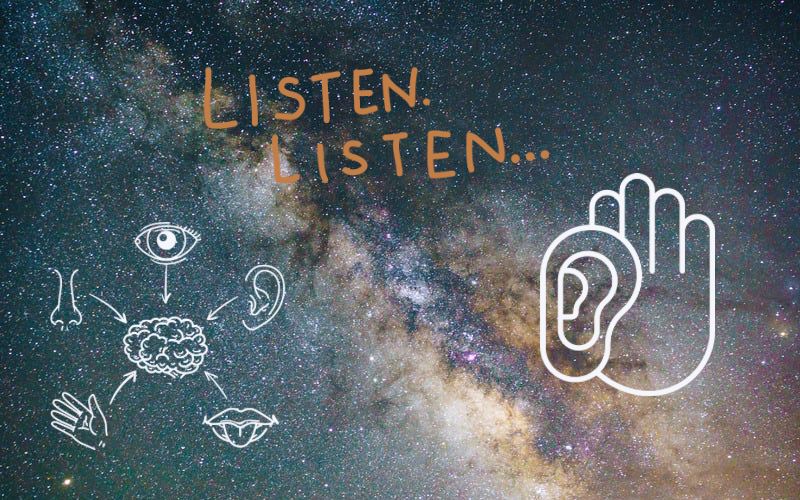
How Fascia listens to Touch 101

Touch, a natural regulator, communicator, and healer, holds a transformative power. When you experience a massage or myofascial release, it's not just about the physical pressure on your skin.
It's a profound conversation between your fascia, your nervous system, and your entire personal history, offering hope for transformation and healing.
Touch is a unique blend of the physical and the perceptual. Your body feels the mechanical pressure, but your brain interprets the meaning. Each person's touch experience is as unique as their stories, memories, beliefs, and experiences.
The Body's Touch Sensors — and Why MFR (Indirect myofascial release)Feels Different
Across your skin and fascia live specialised mechanoreceptors — tiny sensory endings that respond to different types of touch. Some of the most important for fascia work are:
• Ruffini endings – respond to slow, sustained pressure and gentle stretch.
They calm the sympathetic nervous system and support the vagus nerve. This is why MFR feels grounding, soothing, and safe.
• Golgi receptors – found in tendons and fascial attachments.
They respond to intense, steady stretch and help reduce excessive muscle tone.
• Pacinian corpuscles – respond to vibration and rapid pressure changes.
They support proprioception — your sense of movement and spatial awareness.
• Merkel and Meissner receptors – respond to light touch and stroking.
They help the brain interpret context, safety, and emotional meaning.
• Interstitial receptors – almost 50% of all fascial nerve endings.
They regulate interoception — the internal sense of "how I feel inside."
They influence pain perception, emotional tone, and the autonomic nervous system.
When these receptors are activated through slow, mindful fascial work, the body shifts.
Cortisol drops.
Oxytocin, serotonin, and endorphins rise.
The whole system begins to soften.
Through intentional, skilled touch, we help the body rewrite the story — gently, respectfully, at your pace.

Fascia, Densification, and Why You Feel 'Stuck'
From Stecco's research, we know that fascia can experience densification — a reversible thickening caused by changes in the viscosity of hyaluronan (HA). This slippery fluid allows tissues to glide over one another.
Densification feels like:
• stiffness
• heaviness
• restricted movement
• "stuck" tissues
• the sense that you can't fully stretch or breathe into an area
The good news: densification responds beautifully to manual therapy and myofascial release.
Why?
Because slow, sustained pressure gently warms the tissues and helps hyaluronan return to a more fluid, hydrated state. This restores glide between layers — one of the reasons MFR often brings a feeling of space, ease, and freedom.
Fibrosis (thickening of collagen) is different—it's not reversible in a single session and requires long-term treatment and movement retraining. But most everyday tension is densification, not fibrosis, and responds quickly to touch.
Why Slow Work Matters
Traditional massage often uses rhythmic strokes, but fascia prefers slow, sustained engagement.
Indirect myofascial release uses:
• gentle stretch
• waiting for the tissue to respond
• shearing and melting
• working with, not against, the nervous system
Indirect myofascial release is built on the foundation of safety. This approach, which activates Ruffini and interstitial receptors, signals to the brain that it's safe to let go, providing a sense of security and reassurance in your healing process.
Touch, Emotion, and the Limbic System
Touch doesn't just affect muscles — it speaks directly to the emotional brain.
Through the limbic system, touch can influence:
• fear and safety
• stress response
• memory
• emotional tone
• regulation of the autonomic nervous system
This is why sessions can feel deeply calming, grounding, or, at times, emotional. Fascia holds a dense network of sensory endings, and as it softens, your internal experience can shift too.
Pain Isn't Stored in the Tissues — It's Created in the Brain
Pain is an output — a protective response shaped by:
• past injuries
• beliefs
• culture
• stress
• trauma
• family patterns
• emotional state
• sense of safety
Touch helps soften this protective output by changing the nervous system's interpretation of sensation.
When the body feels supported and connected, pain signals reduce.
Fascia Is a Whole-Body System
Fascia connects everything — muscles, organs, bones, nerves.
Because it's built as a tensional network (biotensegrity), a change in one area can influence many others.
This is why working on the hips can ease the lower back, and softening the diaphragm can free the neck and shoulders.
The Story Your Body Tells
Every session is a meeting between your body and your story.
Touch becomes therapeutic when it is slow, meaningful, compassionate, and grounded. Fascia responds to awareness, listening with intention.
Pain is real, but its meaning is different for everyone.